Introduction: A New Era for Live Event Technology
The global live events industry has entered a technological renaissance. From music festivals and sports tournaments to business conferences and theatre shows, audiences now expect seamless, intuitive, and personalized ticketing experiences. Long queues, manual seat assignments, fixed pricing tiers, and slow purchase flows are being replaced by real-time analytics, AI-driven insights, and automated workflows.
In 2026, event organizers are no longer thinking in terms of selling tickets. They are thinking about managing demand curves, optimizing fan journeys, and maximizing yield—just like airlines, hotels, and e-commerce platforms. Artificial intelligence (AI) and automation have become central to that transformation. This blog explores how AI-driven ticketing platforms are shaping the future of events across India and global markets, how predictive insights are improving profitability, and how automation is streamlining complex event operations.
From Manual Ticketing to Intelligent Platforms
Traditionally, event ticketing was transactional. Organizers created events manually, set fixed prices, allocated seats, and waited for sales. It was a time-consuming process with very little data feedback. If an event sold poorly, organizers typically learned about it too late to intervene.
AI-powered platforms have inverted that model. Instead of reacting to demand, organizers now anticipate it. Instead of guessing pricing, systems calculate optimal pricing based on historical and real-time data. Instead of generic buyer journeys, users receive tailored recommendations, dynamic ticket bundles, and flexible payment options—all powered automatically.
Across major Indian metros such as Mumbai, Delhi, and Bengaluru, event discovery platforms are integrating AI-based personalization to recommend concerts, comedy shows, theatre performances, and technology conferences based on user interests. Globally, major festivals, sports leagues, and entertainment franchises have moved toward demand-based pricing and automated seat management to increase yield per event.
Predictive Analytics: Forecasting Demand Before Tickets Go Live
One of AI’s greatest contributions to event technology is predictive analytics. By analyzing past performance, seasonality, artist popularity, market sentiment, and demographic data, platforms can forecast anticipated ticket demand, optimal sales windows, expected conversion rates, revenue projections, seat and zone utilization, and digital marketing effectiveness.
Predictive analytics also helps reduce risk. For example, if early forecasts indicate low demand for weekday shows, organizers can shift budgets toward retargeting campaigns, influencer promotions, or discount incentives weeks before the event, rather than after sales stall. For sports matches or seasonal events, predictive models can estimate stadium occupancy, membership renewals, and fan travel patterns. This level of intelligence was unthinkable a decade ago in both Indian and global ticketing ecosystems.
Dynamic Pricing: Maximizing Revenue in Real Time
One of the most commercially powerful AI applications is dynamic pricing, an approach borrowed from airlines and hotels. Rather than offering flat pricing tiers, dynamic pricing adjusts costs based on demand surges, booking time, inventory levels, seat category, competing events, artist or team momentum, and demographic willingness to pay.
For event organizers, dynamic pricing increases revenue, reduces unsold inventory, flattens demand spikes, rewards early buyers, and discourages last-minute bottlenecks. In the Indian market, dynamic pricing is becoming increasingly visible in cricket leagues, comedy tours, and music festivals, where prime dates and star performers drive price surges. Globally, it has become standard for sports leagues, major concerts, and theatre productions.
AI-Powered Personalization of Fan Journeys
Modern audiences are not merely purchasing tickets; they are participating in digital experiences. Artificial intelligence improves personalization by adjusting the event discovery funnel. Personalized recommendations, content suggestions, reminder triggers for seasonal events, notifications for price drops, and tailored promotional offers help reduce acquisition cost and increase conversion.
A football fan may receive recommendations for related matches, a music enthusiast may receive alerts for upcoming concerts in their preferred genre, while a business professional may receive curated event suggestions for workshops or conferences. For promoters and sports clubs, personalization enhances both conversion and long-term retention.
Automation of Event Setup and Operational Workflows
Large-scale event organizers frequently manage hundreds or thousands of recurring events. Configuring dates, venues, seating layouts, pricing tiers, and ticket categories manually consumes enormous time. Automation resolves this by enabling bulk event creation, venue cloning, automated seating maps, templated configurations, recurring show replication, and pre-scheduled presale windows. Automation allows event teams to focus on marketing, partnership development, and fan engagement rather than repetitive operational work.
Fraud Prevention and Security Enhancements
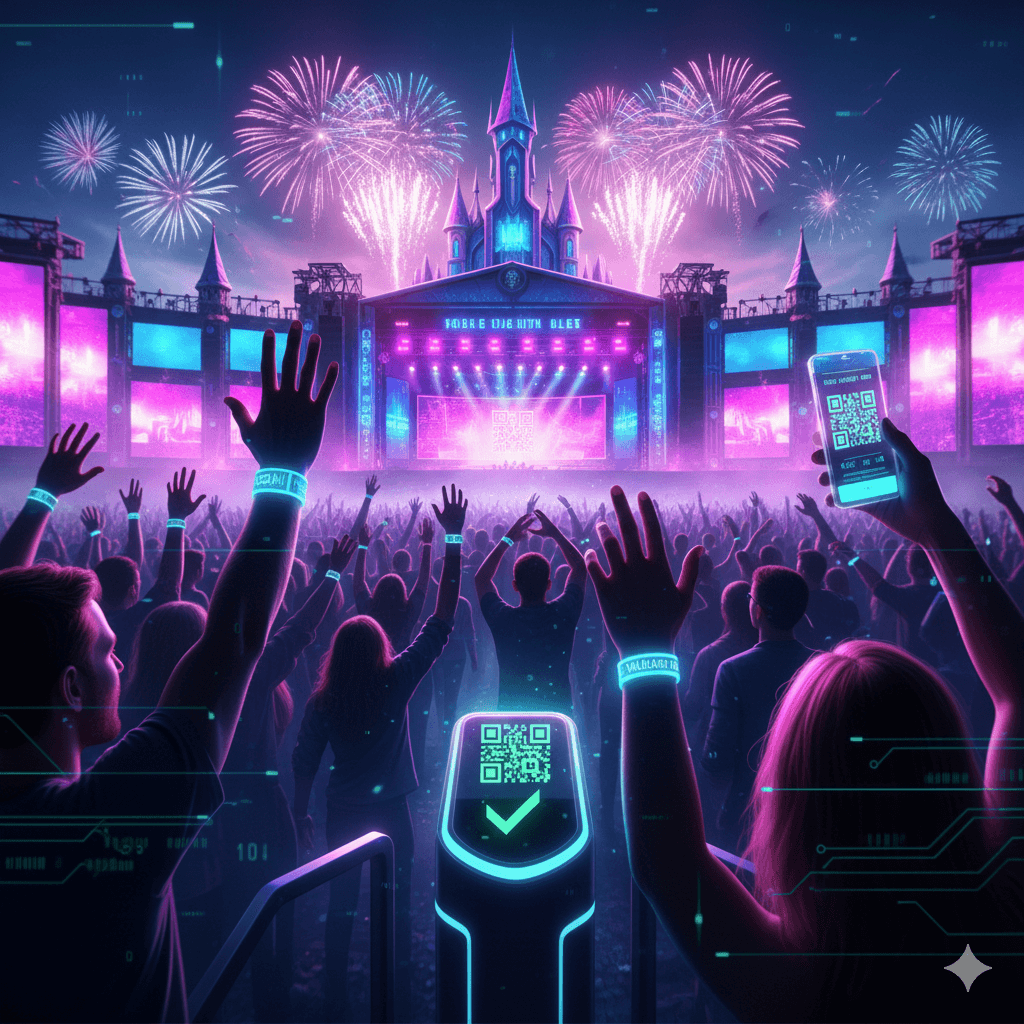
The ticketing industry has long confronted fraud, including scalping, bot-driven purchases, counterfeit tickets, and speculative resale. Artificial intelligence enhances fraud detection through transaction monitoring, identity validation, bot detection, anomaly detection, and device or IP data enrichment. Sports leagues and global promoter networks have adopted digital ticket validation, QR scanning, and blockchain verification to safeguard matchday operations and concert experiences. In India, large cricket leagues and film premieres are adopting similar fraud-prevention layers as digital ticketing replaces box office windows.
AI in Customer Support and Self-Service
Customer support has expanded far beyond call centers. AI-driven chatbots and voice assistants assist customers with booking queries, refunds, ticket transfers, rescheduling requests, venue rules, and accessibility information. For sports clubs managing memberships, AI voice assistants can handle renewals, FAQs, and benefit communications with minimal staff overhead.
Integrating AI With Payments and Checkout Optimization
Payments are critical in the ticketing journey. AI enhances conversion by optimizing preferred payment methods, card routing, UPI adoption in India, pay-later financing models, abandoned checkout recovery, and automated failure diagnosis. Payment intelligence reduces friction, especially in countries with strong mobile wallet ecosystems.
Real-Time Analytics Dashboards for Organizers
Modern platforms provide real-time dashboards offering insights into ticket sales, revenue patterns, user demographics, geographic distribution, conversion drop-offs, and marketing channel attribution. For stadium-based sports, real-time occupancy forecasting has emerged as an important operational tool.
India vs. Global Event Technology
India’s event technology landscape is maturing rapidly, driven by mobile-first adoption, UPI and wallet payments, youth entertainment culture, festival growth, sports league expansion, and influencer-driven events. Globally, markets in the UK, US, and EU lead in dynamic pricing sophistication, stadium technology integration, membership intelligence, fraud prevention infrastructure, and hybrid POS payment systems. India is projected to close the maturity gap significantly by 2028 as digital-first audiences demand premium experiences.
Future Outlook: The Next Frontier of AI in Ticketing
The future will include generative pricing models, predictive event creation, AI-powered marketing automation, multi-platform event identity wallets, blockchain-based ticket verification, AR and VR venue previews, and automatic artist or talent demand forecasting. Automation will shift human roles from execution to orchestration.
Conclusion
Artificial intelligence and automation are no longer optional features; they are the new foundation of event technology and live entertainment. With predictive forecasting, dynamic pricing, personalization, fraud prevention, and operational automation, ticketing platforms are evolving into intelligent ecosystems. The transformation is reshaping both Indian and global markets and enabling smoother fan experiences, more sophisticated revenue models, and scalable event operations. The future of live events is not simply digital; it is intelligent.